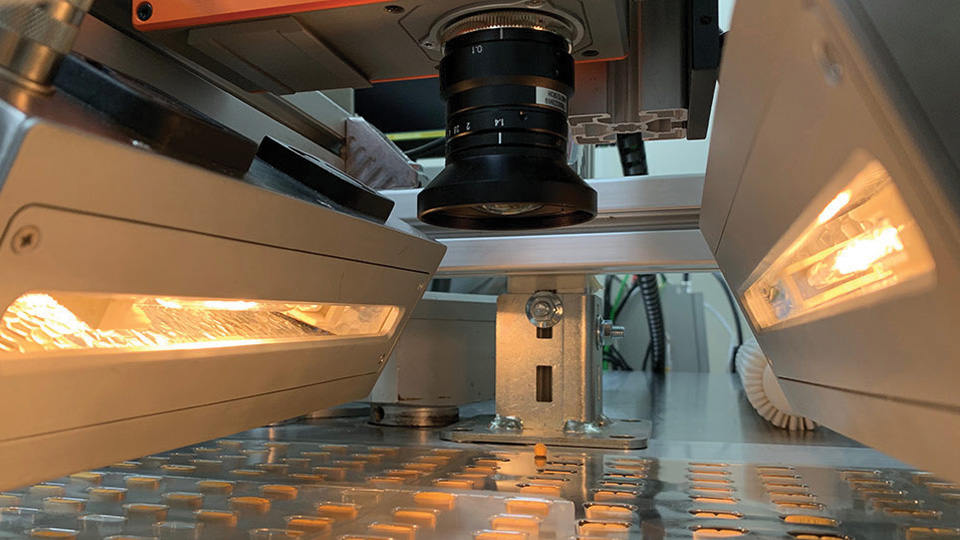
Hyperspectral Imaging for Material Differentiation and Quality Control

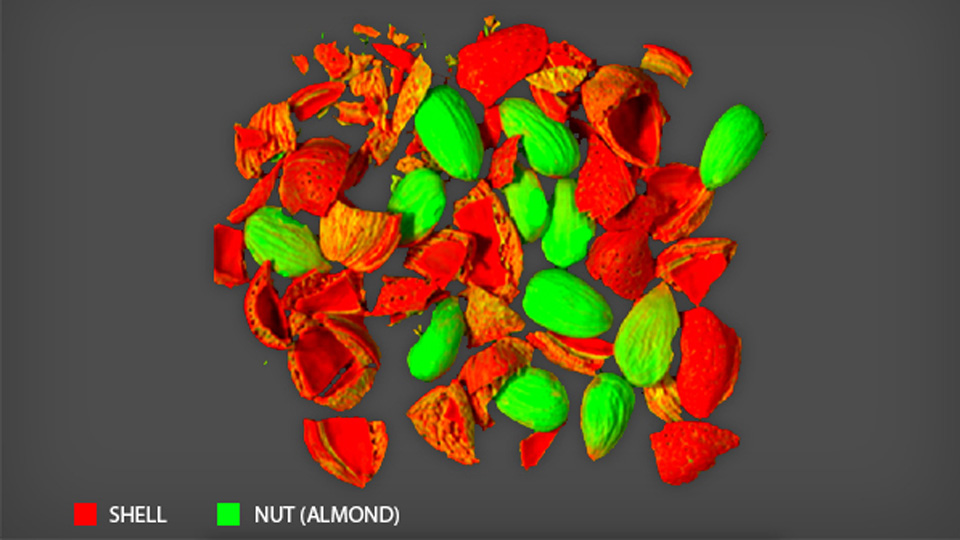
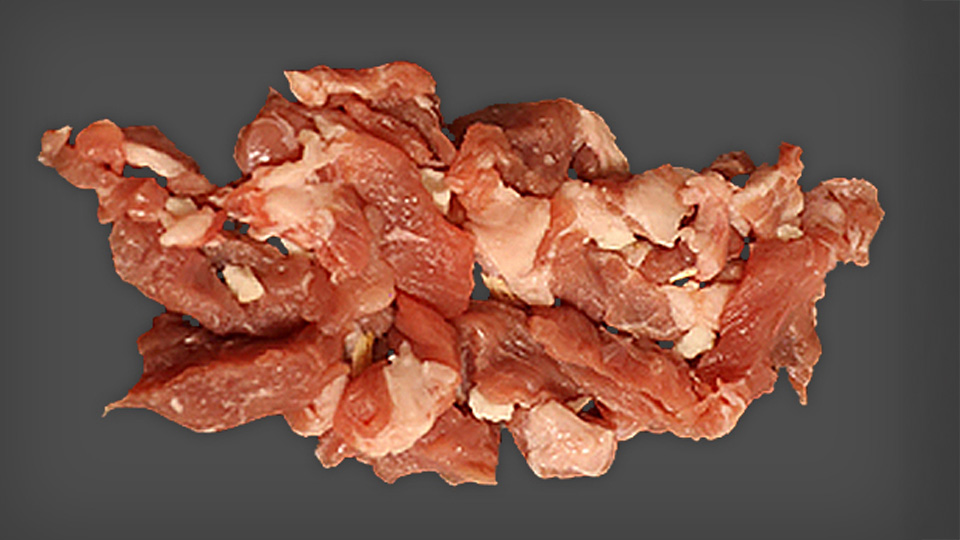
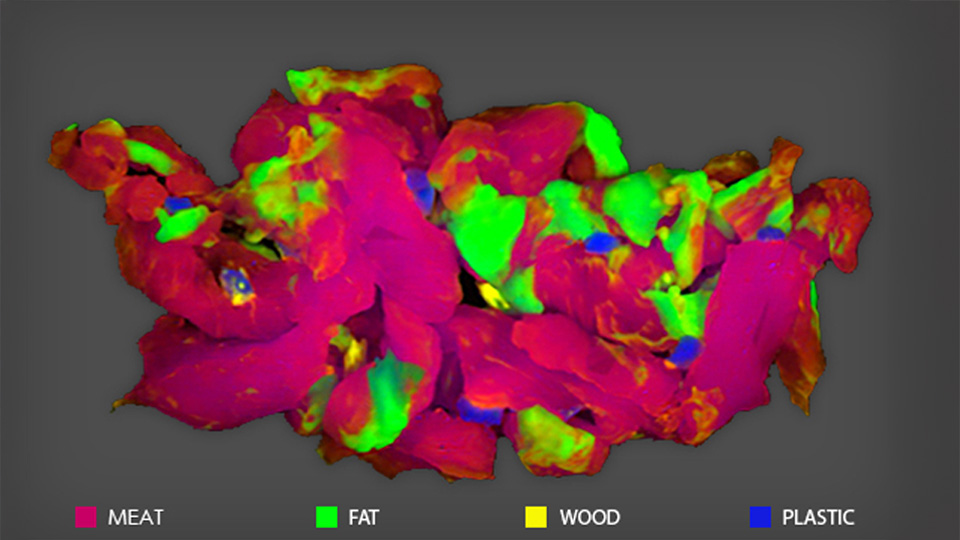
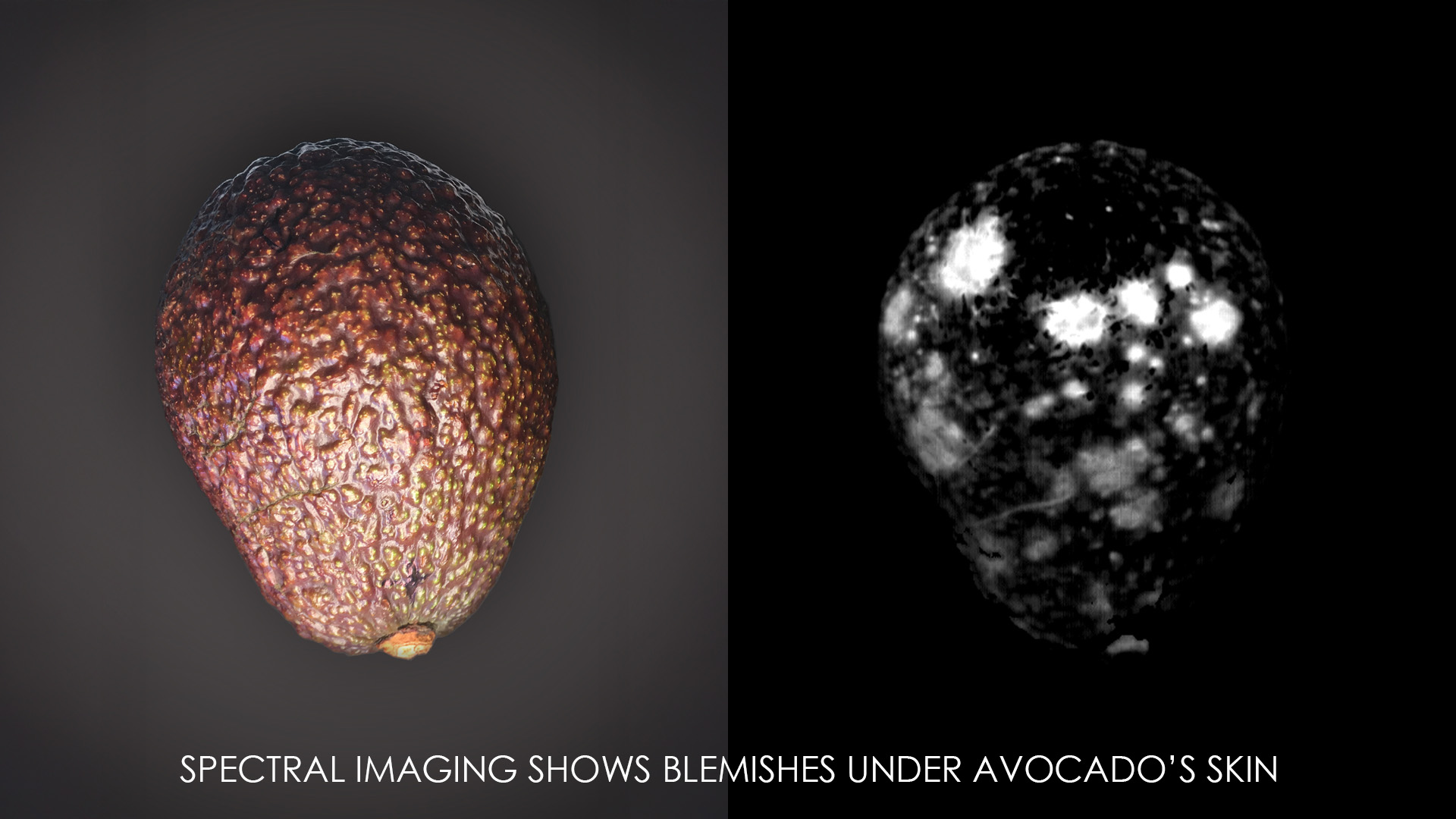
In industrial production, traditional methods often cannot accurately detect foreign objects or reliably distinguish between different materials. This leads to scrap, returns, and increased quality control costs. Hyperspectral imaging overcomes these limitations because it “sees” beyond a conventional image. It captures more information from light, allowing it to distinguish materials that may look the same but have a different chemical composition.

Key Features & Benefits

Material Identification: Analyzes and classifies materials based on their spectral characteristics and their different chemical composition.
Wide Spectral Range: Covers from visible light to infrared, enabling applications across diverse industries.
Real-Time Data: Provides immediate insights for dynamic production environments.
Enhanced Inspection: Detects subtle defects, foreign objects, and contamination that can be missed by conventional inspection methods.

Applications Across Industries

Hyperspectral imaging strengthens quality control and production efficiency across a wide range of sectors, supporting both qualitative and quantitative analysis:

Food & Beverage: Detects contaminants, verifies product composition, and classifies ingredients with precision.
Agriculture:
Monitors crop health, assesses moisture levels, and detects early signs of disease.
Recycling: Separates plastics and other materials for efficient sorting.
Pharmaceuticals: Ensures product compliance with specifications by measuring the presence, amount, and distribution of the active ingredient (API) online, in real time during production.
Textiles: Evaluates dye uniformity and identifies surface defects.

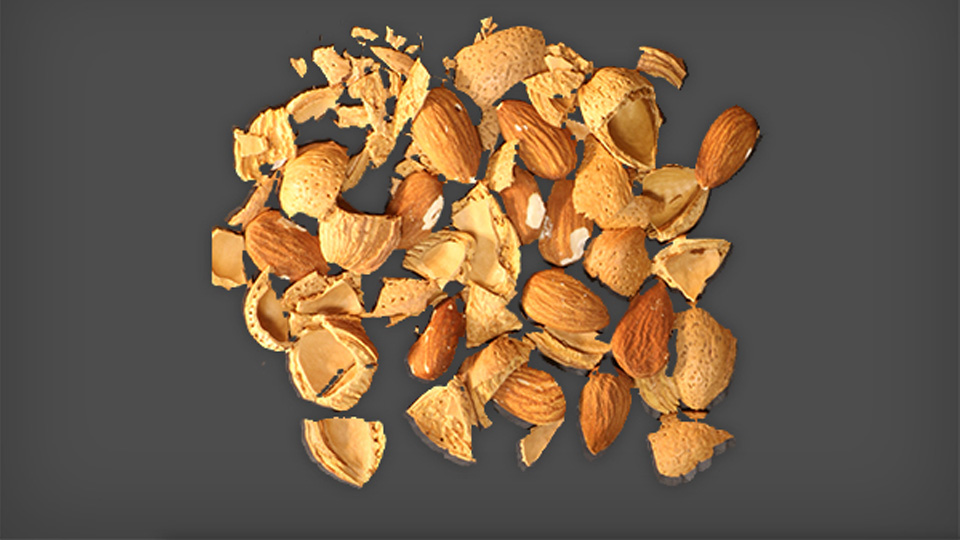
Leverage hyperspectral imaging to detect invisible contaminants, analyze material properties with accuracy, and maximize production efficiency.