
Automated Quality Control with Machine Vision in Vergina Beer Production
Macedonian Thrace Brewery, producer of Vergina Beer, is one of the most recognized names in the Greek brewing industry, with production facilities in Komotini and a continuous focus on quality, consistency and product reliability. With modern production facilities and high requirements at every stage of production, the company uses machine vision systems for quality control in beer production at different points along the production line, supporting both inspection and production efficiency.
Technical Challenge and Solution
We designed machine vision solutions integrated directly into the production line, using cameras, appropriate lighting, industrial equipment and inspection software. The systems automatically inspect products and packaging, triggering rejection or stopping the line where required, helping maintain a controlled and reliable production process.
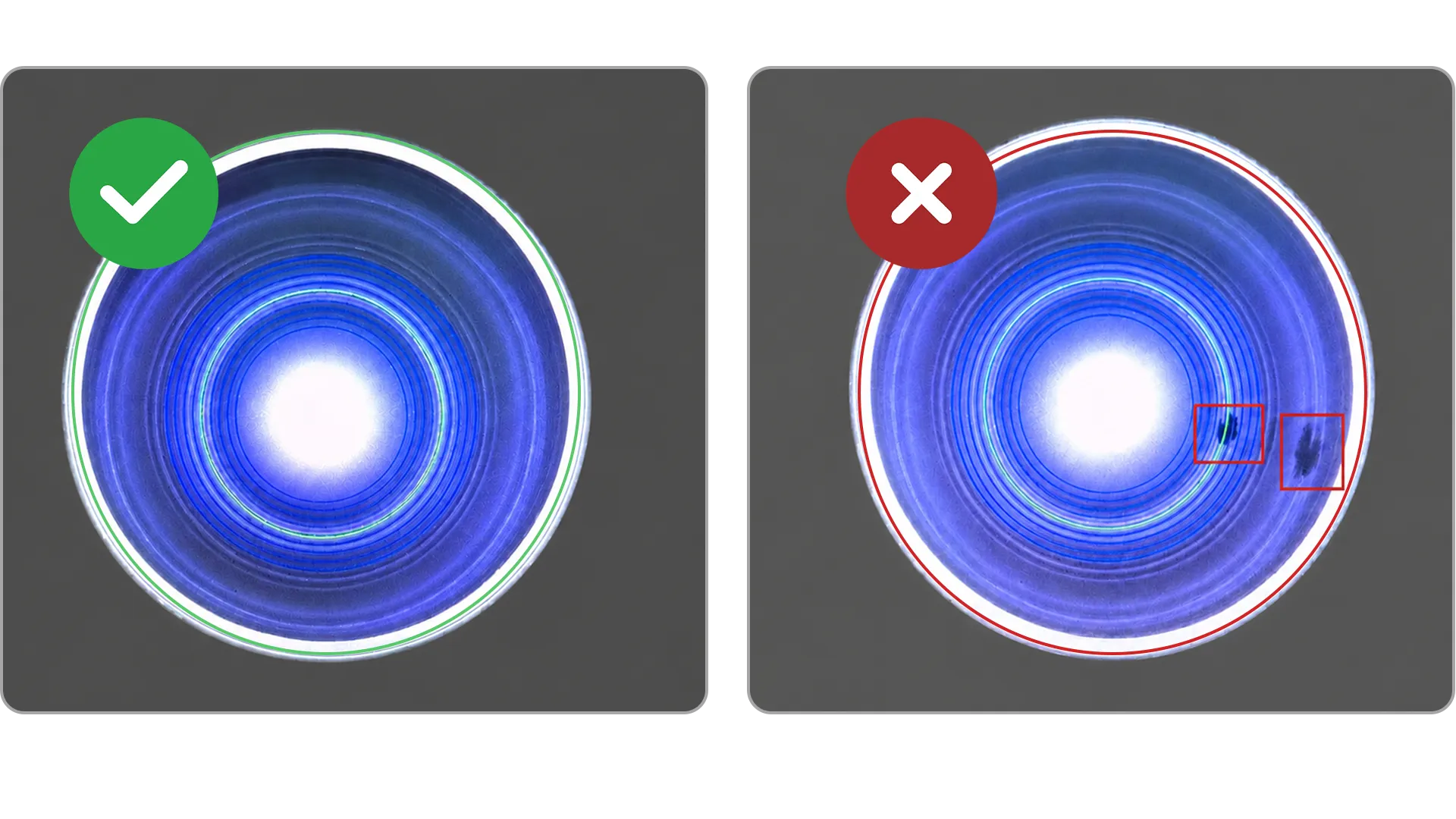
1. Visual inspection of the can opening & foreign objects
The first inspection point concerns empty cans before they enter the filling process.
The system checks:
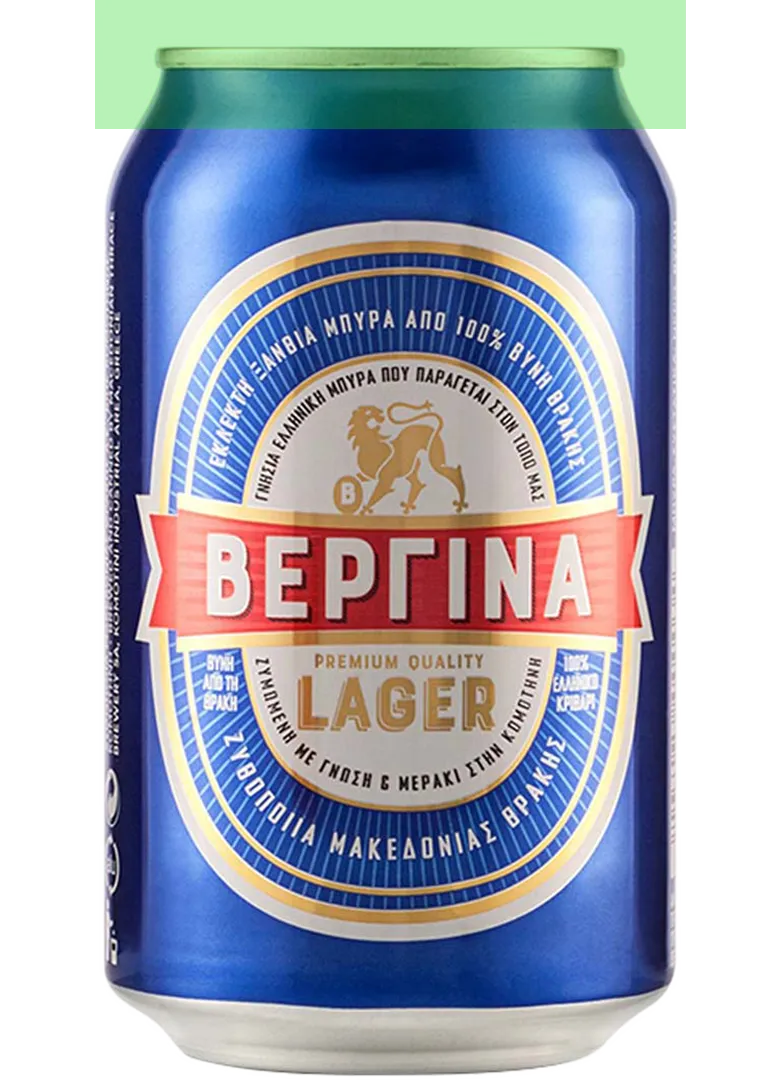
The top area of each can
The can opening and rim
Possible shape deformations, such as oval distortion or dents that may occur during transportation
The inside of the can for the presence of foreign objects or dust.
If a non-conforming can is detected, the system automatically rejects it before it reaches the filling stage.
2. Date & LOT presence verification on the can
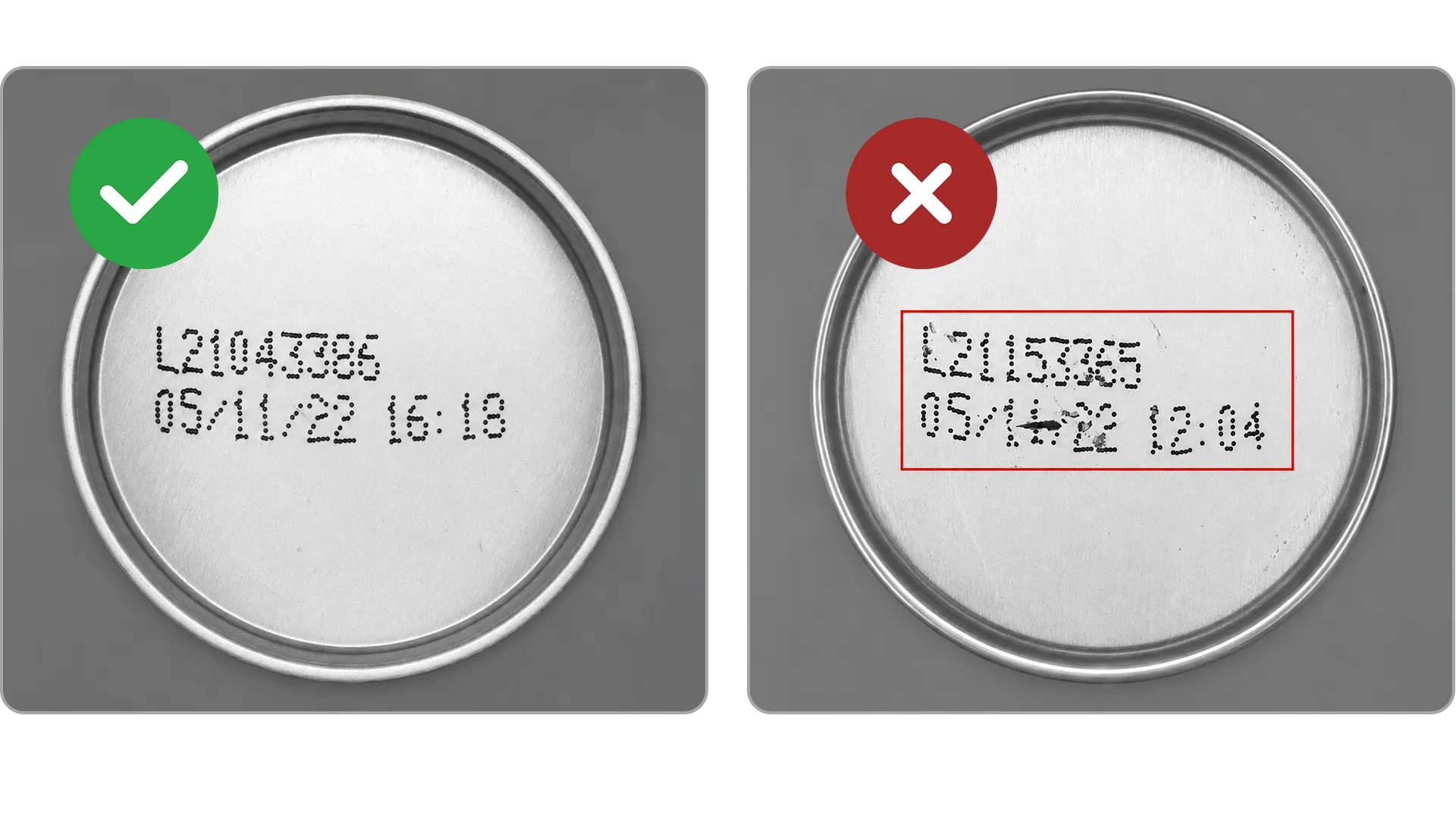
Correct printing of the date and batch number is an important part of traceability and compliance with market requirements.
For this reason, we installed a machine vision system immediately after the printer, which checks:
The presence of the Date & LOT print on the can
The correct position of the print
Whether the print meets the predefined acceptance criteria
If the system detects a missing or unacceptable print, it automatically stops the production line.
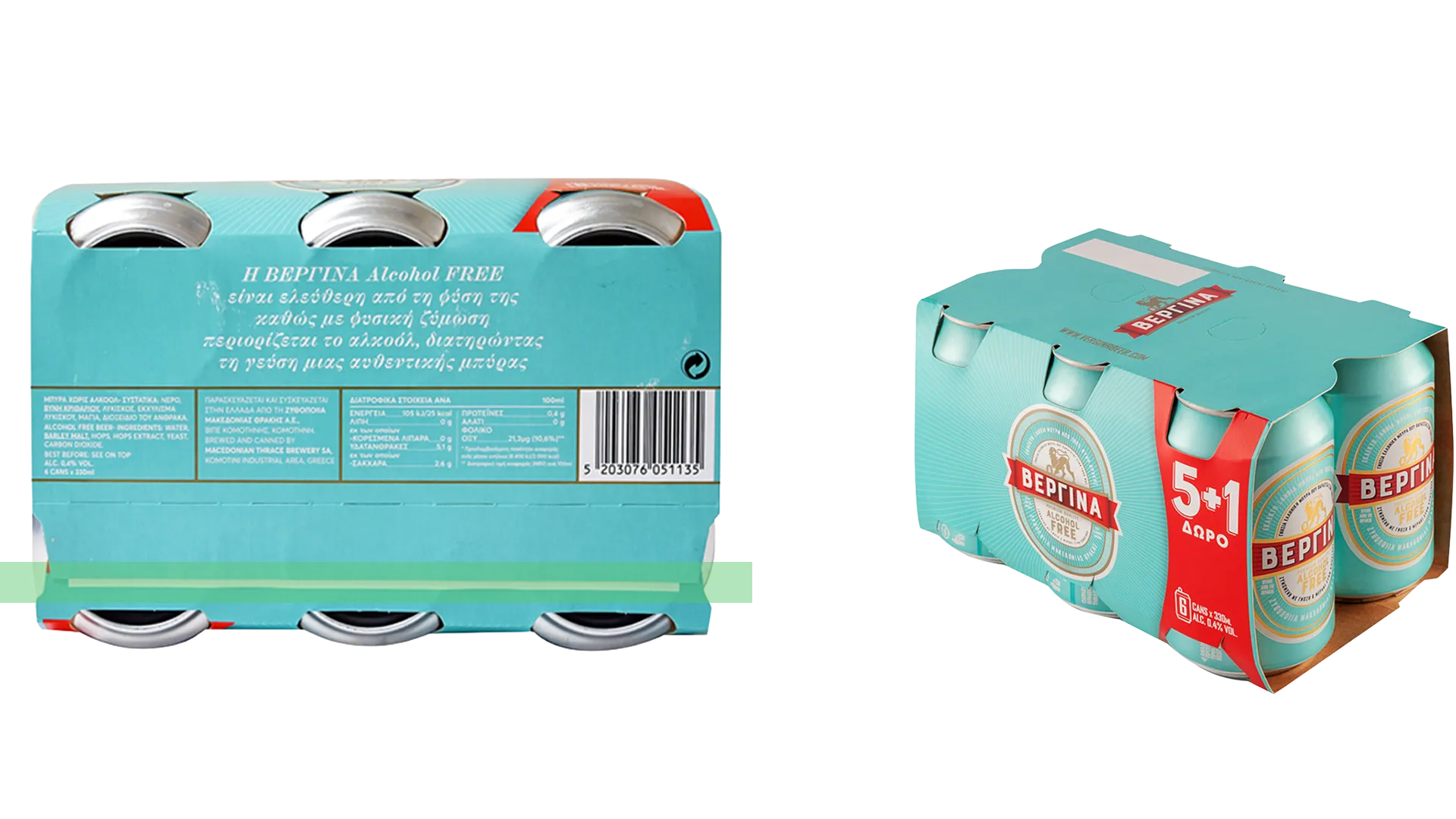
3. Visual inspection of multipack completion
During multipack formation, the machine vision system verifies that the packaging has been formed correctly before moving to the next production stages.
The camera checks:
The carton gluing area
The alignment of the top carton section
The correct position of the carton in relation to the multipack
The overall completion of the multipack according to the required specifications
When a non-conforming unit is detected, the system automatically stops the conveyor so that the multipack can be isolated in time.
4. Date & LOT presence verification on the multipack
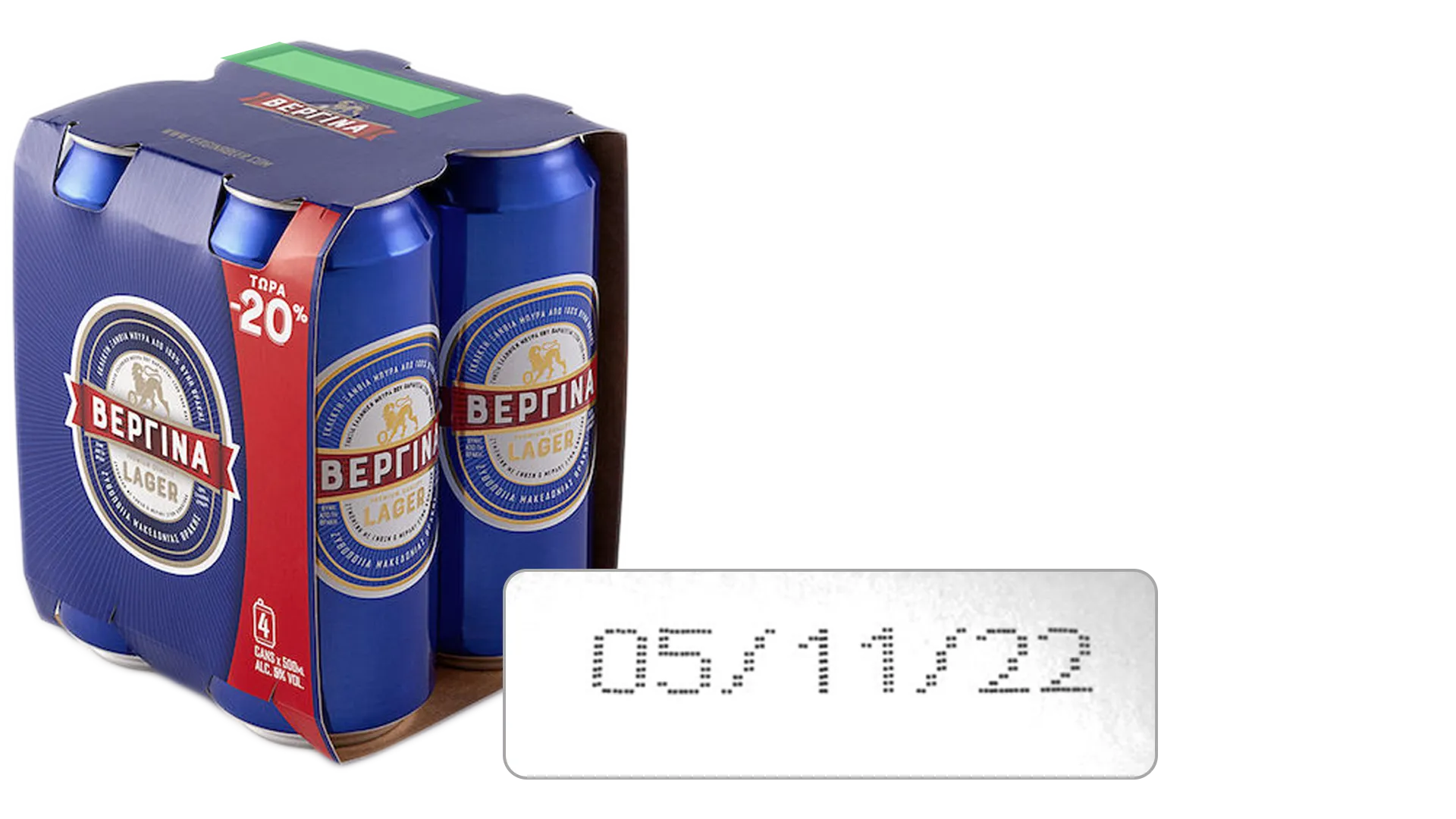
In addition to traceability at can level, the production process also requires inspection at final packaging level.
For this purpose, we installed a visual inspection system immediately after the multipack printer, which checks:
The presence of Date & LOT information on the multipack
The correct position of the print on the multipack
Compliance of the marking with traceability requirements
If a deviation is detected, the production line is automatically stopped.
5. Bottle crate completeness and correctness inspection
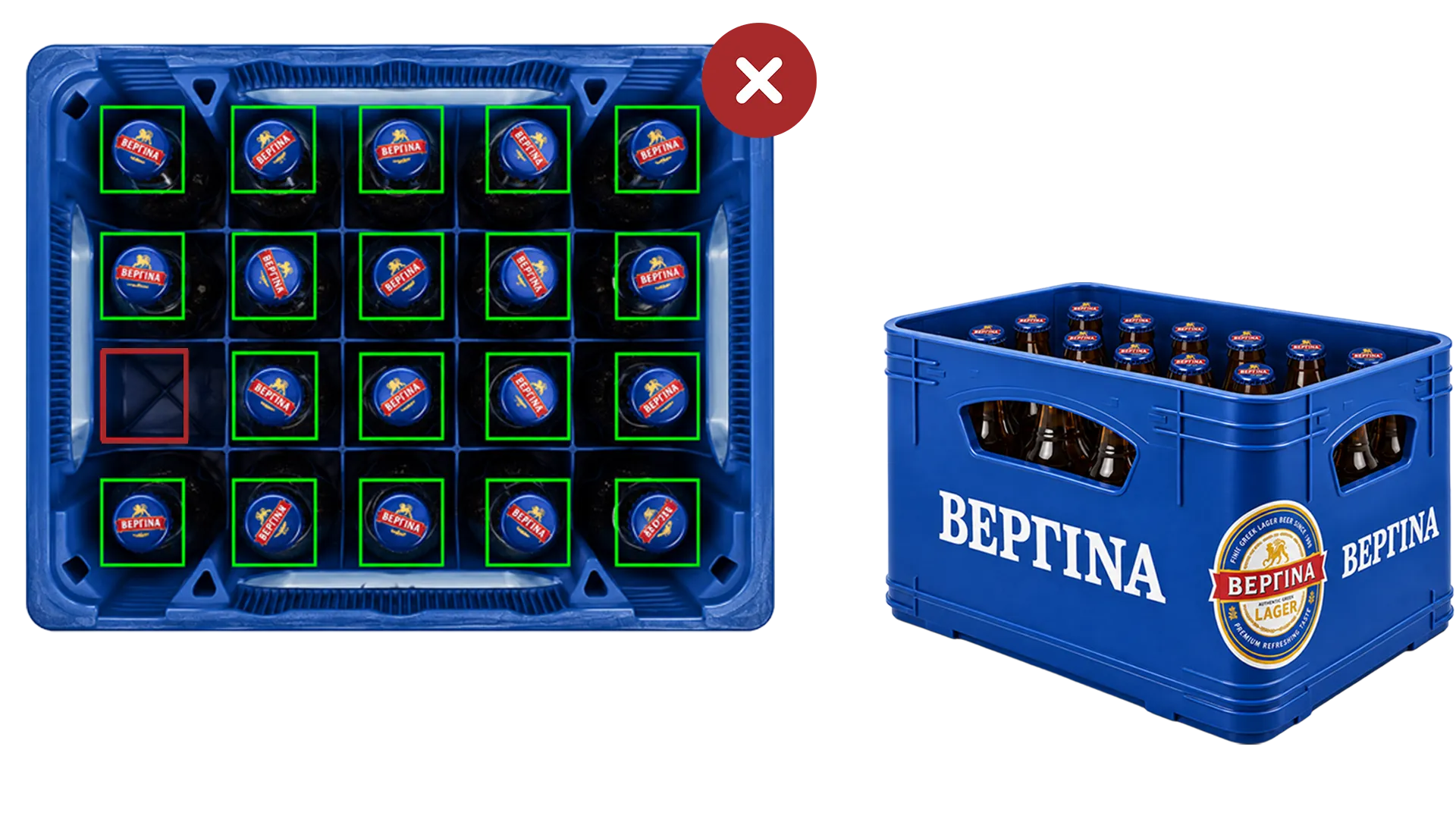
The system inspects bottle crates, verifying their completeness and correctness before storage or distribution.
More specifically, it checks:
The presence of bottles in every crate position
The presence of bottle caps
The correct position of the bottles
Bottle height, to verify that it remains within the required specifications
When a non-conforming crate is detected, the system automatically rejects it from the production flow.
Application Advantages
The installation of machine vision systems on the Vergina Beer production line created an integrated automated inspection framework covering different products, production stages and inspection requirements.
The main benefits of the application include:
- Improved quality control before, during and after packaging
- Reduced need for manual inspection at critical points of the production line
- Traceability verification through Date & LOT inspection on cans and multipacks
- Early removal of non-conforming products or packaging
- More consistent final product quality
- Improved product reliability in the market
- Brand protection through automated, repeatable and objective inspections